
Day 1. Costa Rica – Tarrazu
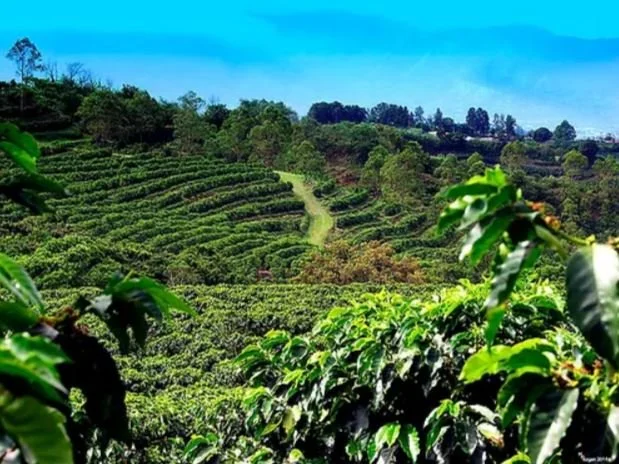
These Costa Rica Tarrazú beans come from the San Marcos and San Pablo regions, grown by producer Juan Manuel Sanchez Benavidez. At altitudes of 1,200–2,000 masl, his Caturra and Catuai varietals are washed-processed to create a cup with a creamy body, lively but balanced acidity, and notes of chocolate and plum.
Costa Rica sits in the heart of Central America and has a diverse landscape made up of mountains, volcanoes, rainforests and coastlines. Its stable government and higher living standards set it apart from many of its neighbours, and that stability also shapes how coffee is grown and traded.
The national coffee authority, Icafe, closely regulates the industry, ensuring fair wages and proper living conditions for workers. While this makes Costa Rican coffee more expensive to produce around $2/lb, significantly higher than much of Latin America it has encouraged farmers to focus on quality over volume. With higher costs and limited land, the country has embraced innovation, becoming known for some of the most interesting and experimental processing methods in the world. Their natural coffees, in particular, stand out for their clarity and complexity.
As larger-scale producers decline, Costa Rica’s future increasingly lies in small specialty microlots from regions like Tarrazú, the Central Valley, the West Valley, and Tres Ríos.
South of San José, the dramatic mountains of Tarrazú rise above the landscape. Often called the Area of the Saints, this region is famous for producing some of Costa Rica’s best Strictly Hard Bean coffees. Rich volcanic soils, high altitude, and a perfect balance of sunshine and rainfall come together here ideal conditions for growing exceptional coffee.