2. Indonesia – Alko Kerinci Natural
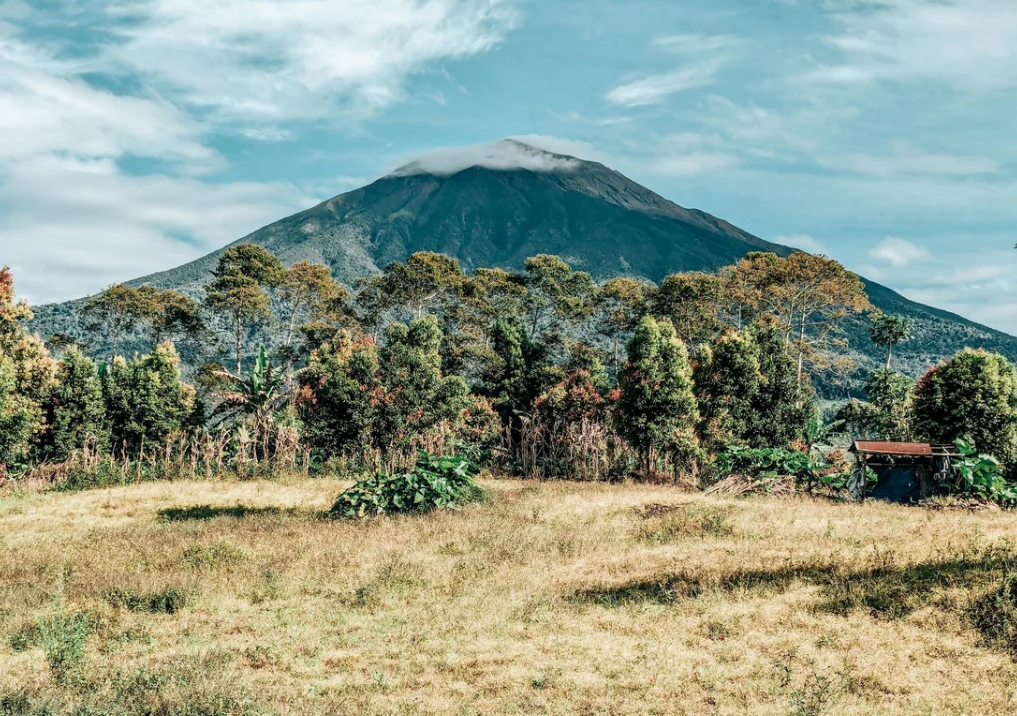
Grown on the slopes of Mount Kerinci in West Sumatra, this coffee comes from ALKO, a cooperative of more than 400 smallholder farmers established in 2011.
ALKO operates using a collective profit-sharing model and has introduced blockchain-based traceability to improve transparency throughout its supply chain. Women play an important role in the organisation, including managing processing activities and delivering training to farmers.
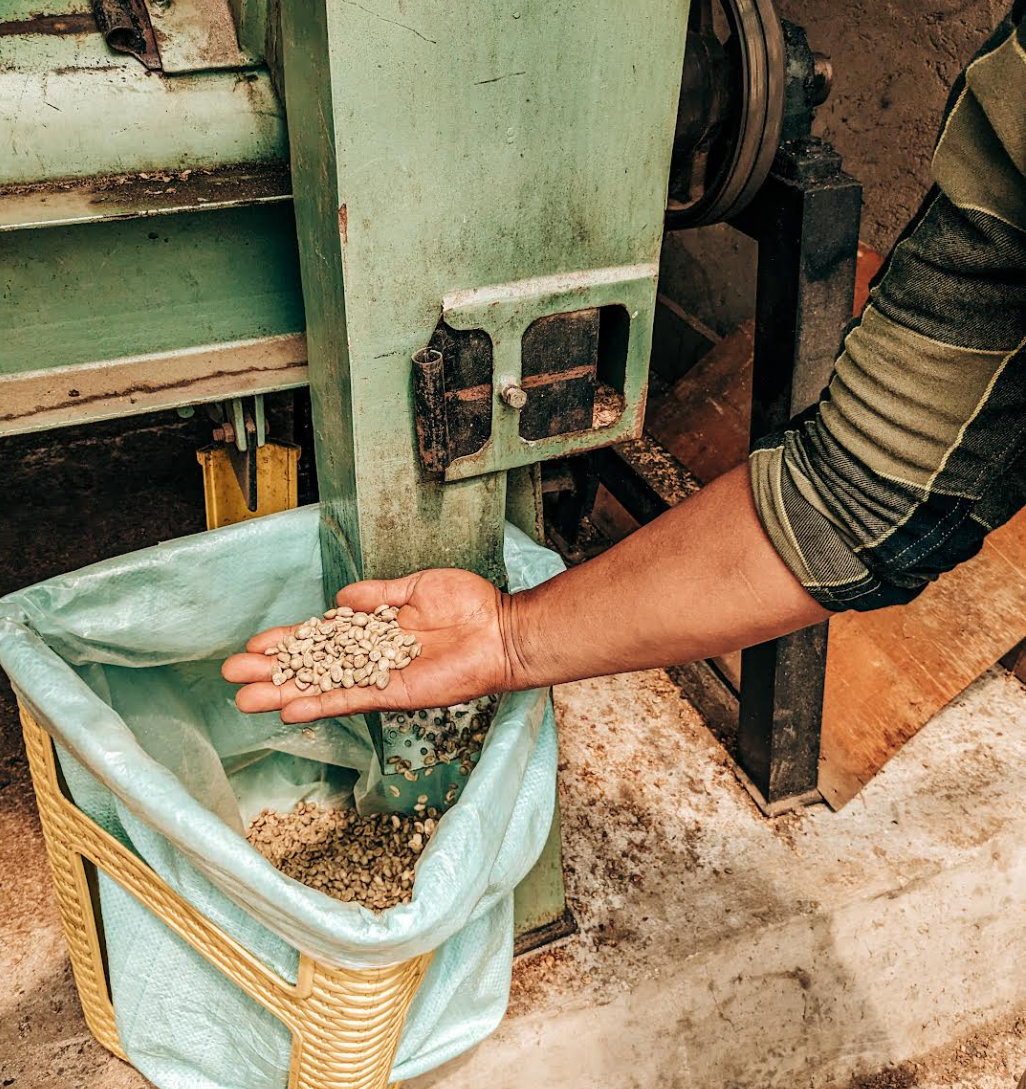
The cherries are hand picked at peak ripeness before being washed twice in separate tanks and carefully sorted to remove underripe fruit. They are then dried in covered drying houses for around 20 days, with temperatures kept below 35°C. After drying, the coffee rests for two to three weeks in plastic-lined bags before hulling, followed by a further rest of around two weeks in GrainPro-lined bags. It is a deliberately slow approach designed to stabilise the coffee before export.
The varietals are particularly interesting. Andung Sari is a dwarf selection developed from Catimor by the Indonesian Coffee and Cocoa Research Institute, ICCRI. It is known for strong productivity and good cup quality and is widely planted around the Kayo Aro district of Jambi.
Sigarar Utang is a semi-dwarf Caturra × Híbrido de Timor cross, also developed through Indonesian coffee research. Its name translates roughly as “quickly repay debt”, a reference to the plant’s prolific and almost year-round fruiting. It produces large, dense beans, offers useful resistance to coffee leaf rust and has developed a reputation for clean, syrupy cups.
Together, these varietals and ALKO’s careful natural processing create a coffee that is distinctly Sumatran while being considerably fruitier than the heavy, earthy Indonesian profile many people expect.
Flavour profile: Berry, peach, maple syrup, honey.