4. Ethiopia – Sidamo Fully Washed G2
Ethiopia is widely regarded as the birthplace of Arabica coffee and remains one of the most fascinating coffee origins in the world. Its extraordinary genetic diversity means that coffees grown only a short distance apart can taste remarkably different, shaped by local varieties, altitude, climate and generations of traditional farming knowledge. Sidamo, in southern Ethiopia, is one of the country’s best-known coffee regions and is particularly celebrated for its complex, aromatic coffees.
Sidamo G2 is not produced by one large estate. Instead, it brings together coffee from various small farms across Sidamo, grown between approximately 1,500 and 2,200 metres above sea level. At these elevations, cooler temperatures slow the development of the coffee cherry, giving the fruit more time to mature and helping create the delicate, layered character for which high-altitude Ethiopian coffee is known.
Farming in Sidamo remains remarkably traditional. Most producers are smallholders who grow coffee alongside other food crops, a system known as intercropping. This makes efficient use of limited land while also helping provide food for farming families. Chemical inputs are generally very limited, with many farms effectively organic by default, using few, if any, synthetic fertilisers or pesticides. Much of the work is still carried out manually rather than by machinery.
The varietal story is equally interesting. This coffee combines JARC varieties with local landraces. JARC varieties are selections developed through Ethiopian coffee research programmes, while the local landraces represent generations of naturally adapted coffee genetics unique to Ethiopia. This enormous genetic diversity is one of the reasons Ethiopian coffees can display such a wide range of flavours.
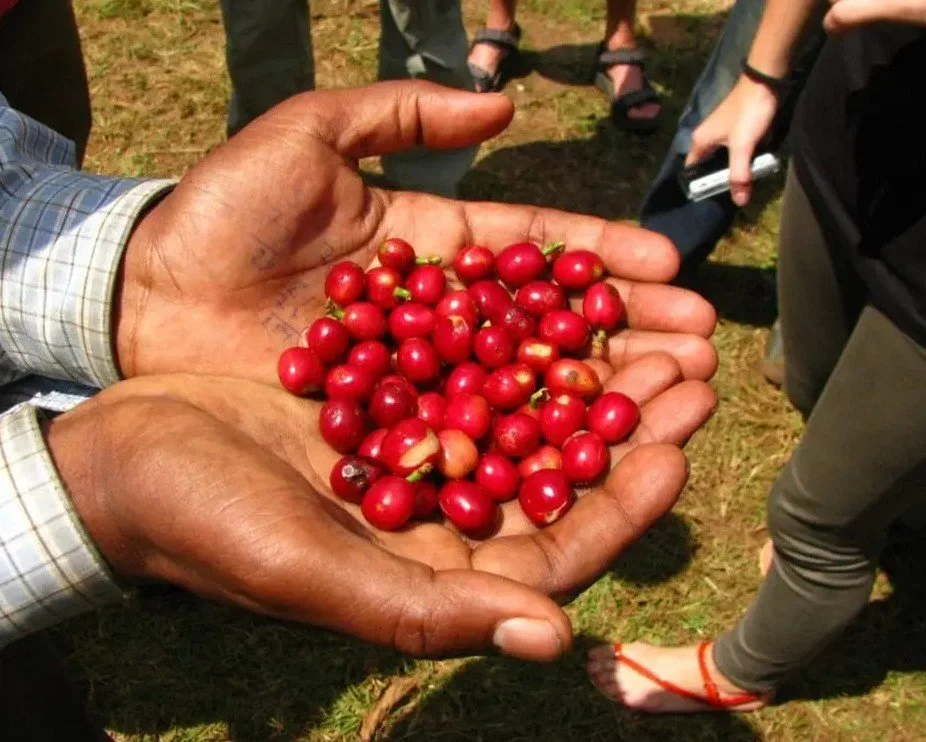
Harvesting usually takes place between November and January. Because most farms are small, ripe cherries are generally hand picked by farmers and their families before being delivered to a collection centre or washing station. The cherries are then carefully sorted to remove damaged or underripe fruit before being pulped.
For this fully washed coffee, the pulped beans are fermented for around 24 hours, depending on weather conditions. Once fermentation is complete, the parchment is thoroughly washed and passed through washing channels, where the coffee can be separated according to density. In some cases, the parchment is then soaked again in clean spring water for a further 12 to 24 hours to remove the final traces of mucilage.
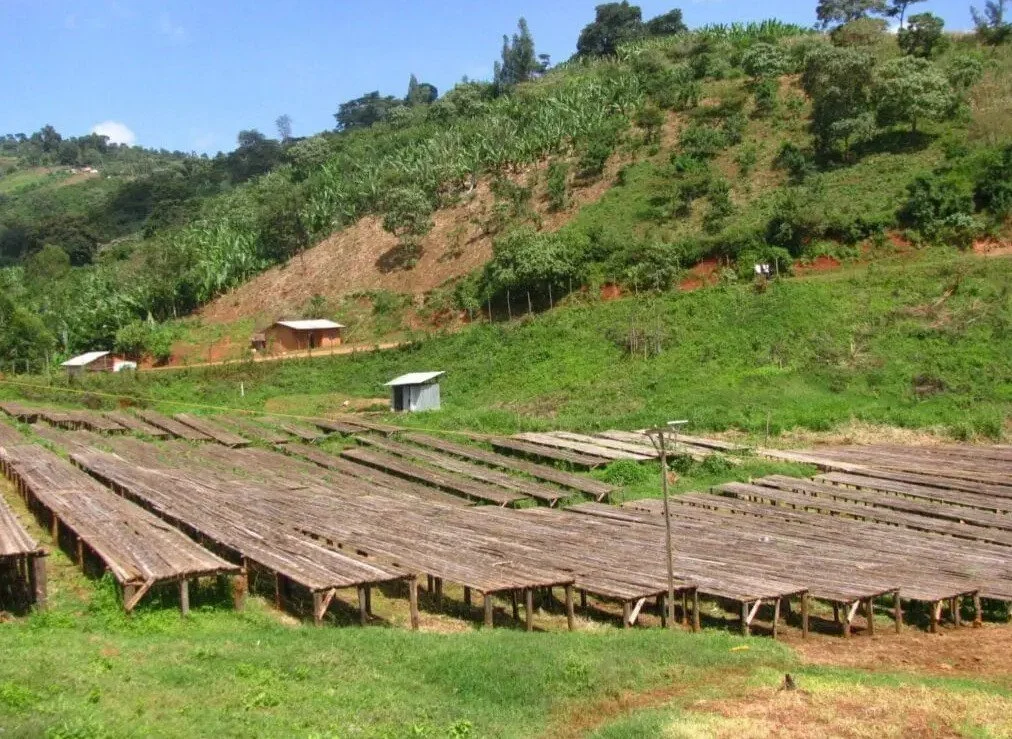
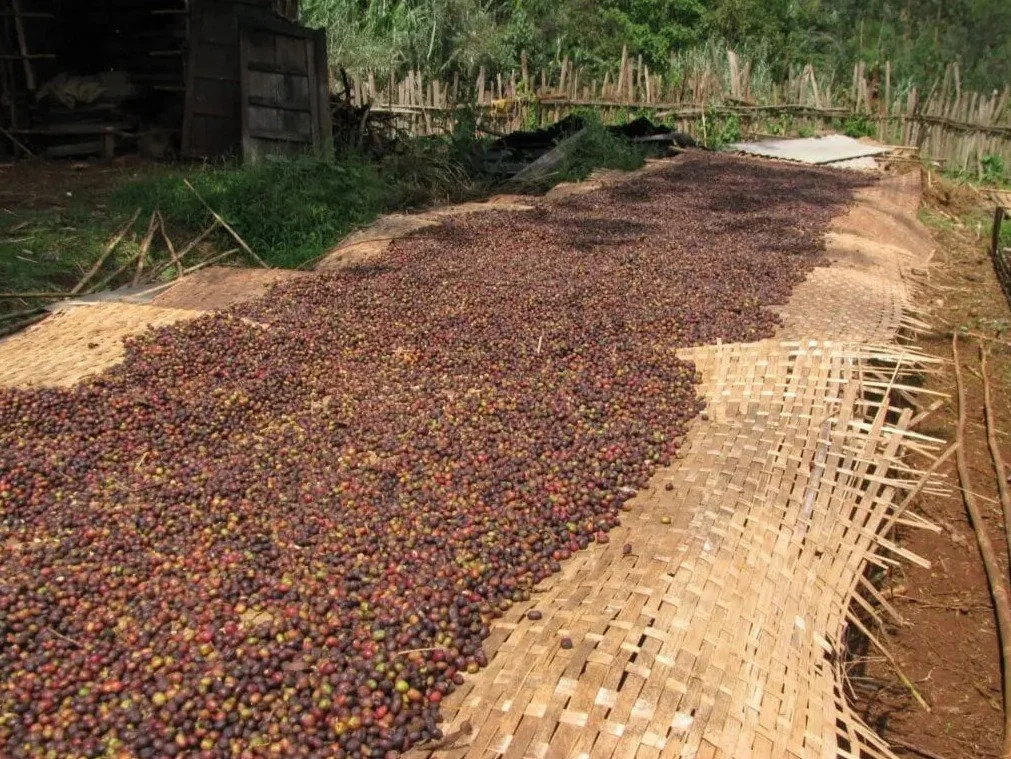
The coffee is then transferred to raised drying beds, where it dries slowly under shade for around 10 to 14 days. During this time it is regularly turned and repeatedly hand sorted to remove damaged or discoloured beans. The parchment may even be covered during the hottest part of the day to prevent it drying too quickly, and again overnight to protect it from condensation. It is an extremely hands-on process and demonstrates just how much work can sit behind a single cup of washed Ethiopian coffee.