22. Rwanda – Isano Lot 1
Rwamatamu Coffee was founded in 2015 by Laetitia Mukantwaza and Gaston Rutaganda, who already had more than a decade of experience in Rwanda’s coffee sector. Their aim was not only to produce high quality coffee, but also to create reliable employment, fairer incomes and greater opportunity in rural communities.
Originally based in Nyamasheke District near Lake Kivu, Rwamatamu now operates two washing stations in Western Rwanda, including a newer station in Mbare, opened in 2023. Coffee is grown at around 1,600 to 2,000 metres above sea level, where volcanic soils, cooler temperatures and Rwanda’s tropical highland climate provide excellent conditions for Arabica.
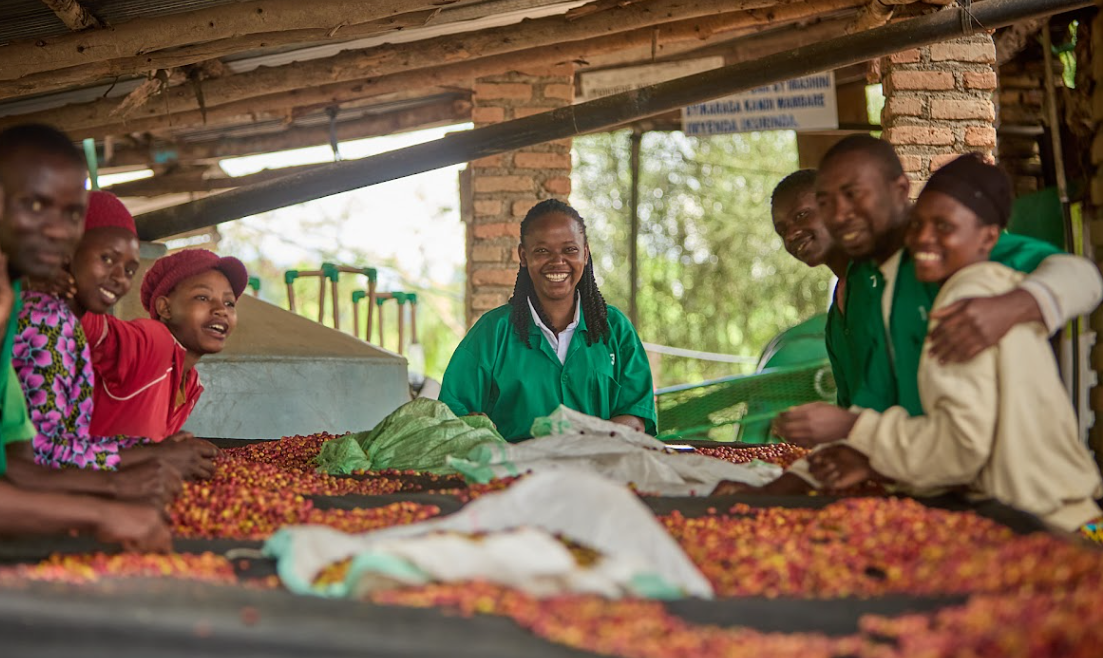
Our Isano Lot 1 is a washed Red Bourbon from the Mbare area. Ripe cherries are hand picked, fully washed using natural spring water and sun dried. Rwamatamu is working with local farmers in Mbare to improve coffee quality and help producers increase the value of what has traditionally been treated as a secondary crop.
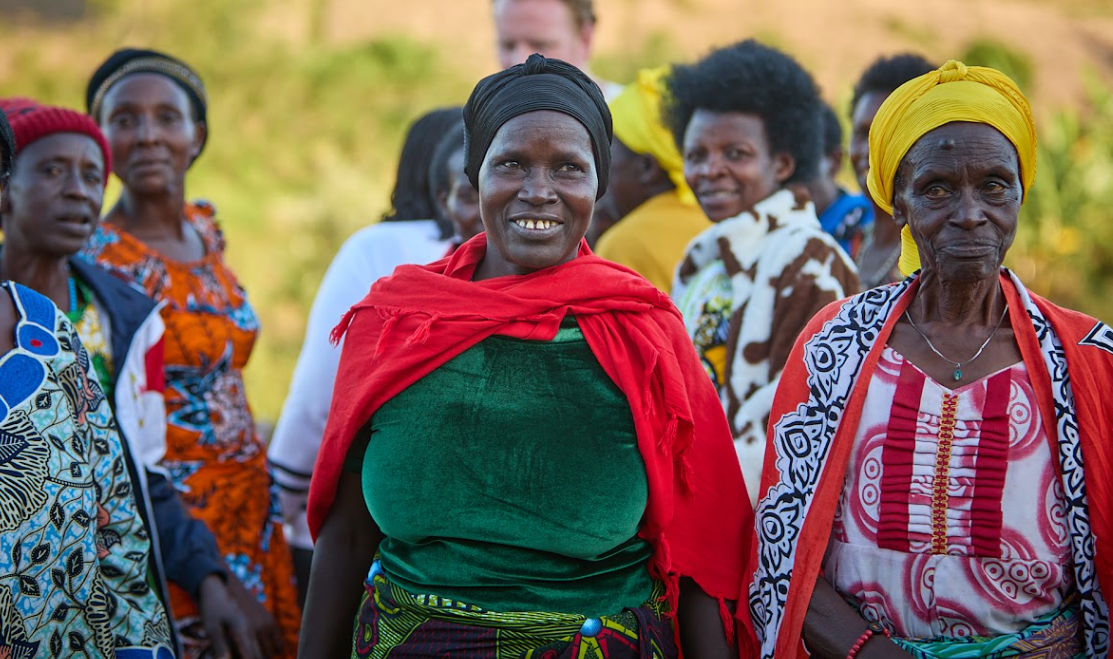
A major part of Rwamatamu’s work is its focus on long term community development. Laetitia founded a Women’s Cooperative, providing members with land, coffee seedlings and training in cultivation and farm management. The women grow and sell their own coffee back to Rwamatamu, creating income beyond seasonal employment, with the long term aim of purchasing the land themselves. In 2024, the cooperative also received goats, providing milk and organic fertiliser for the coffee farm.
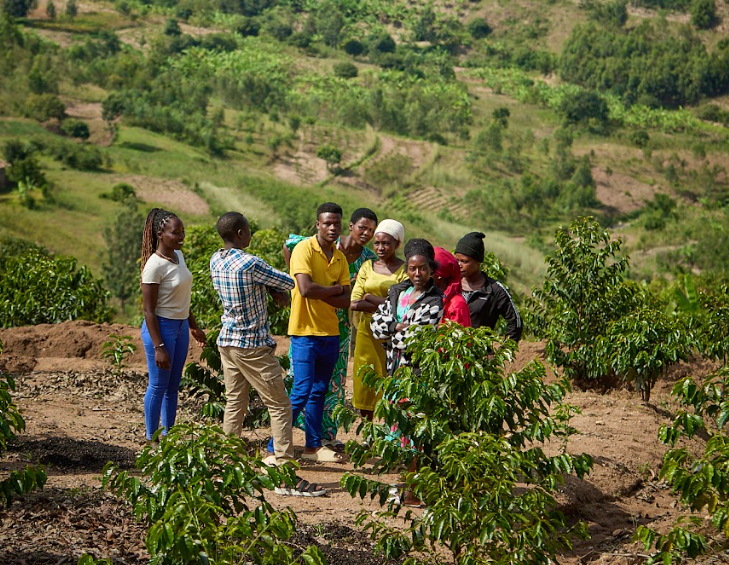
Rwamatamu has also created a Youth Group for young adults aged 18 to 35. In 2024, three hectares of land were purchased for the group, with members receiving seedlings, equipment and training to help them build practical farming skills and eventually become more self sufficient.
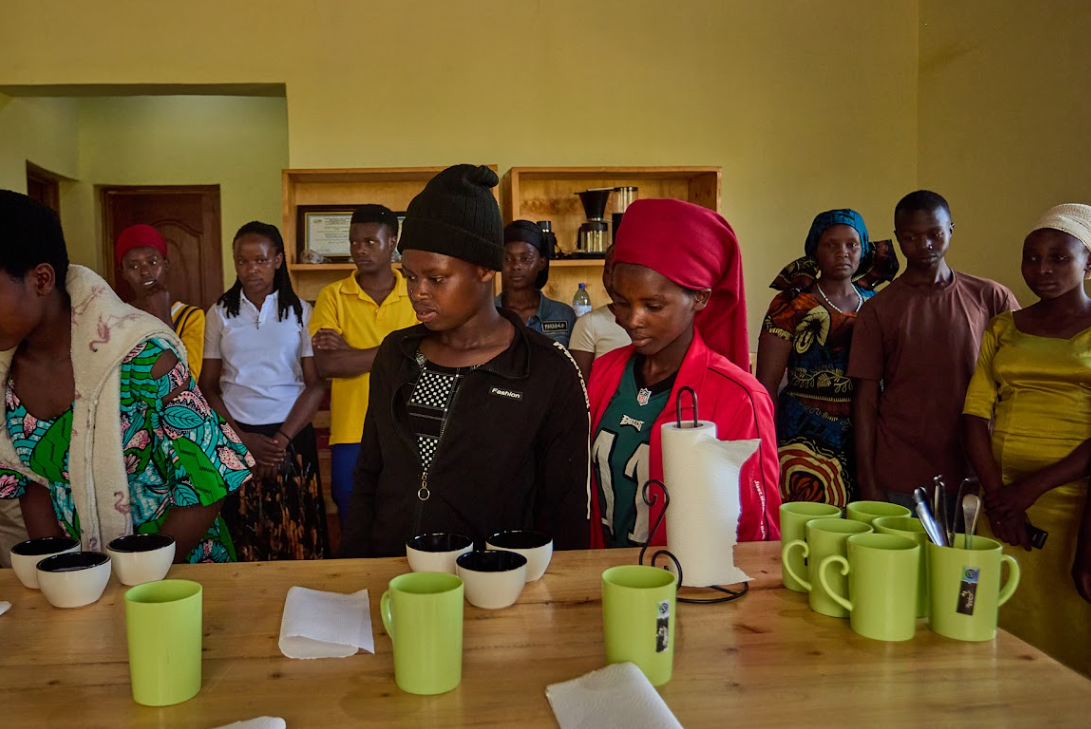
Quality remains equally important. In 2023, Rwamatamu invested in its own cupping laboratory, allowing the team to assess coffee more consistently and better understand how different processing methods affect flavour. Staff have received sensory training and the company has also experimented with techniques such as yeast fermentation.
What makes Rwamatamu especially interesting is the way quality and social impact are connected. Better farming and processing can increase the value of the coffee, while that value can create stronger livelihoods and new opportunities for women, young people and local farming families.