13. Timor Leste – Eratoi
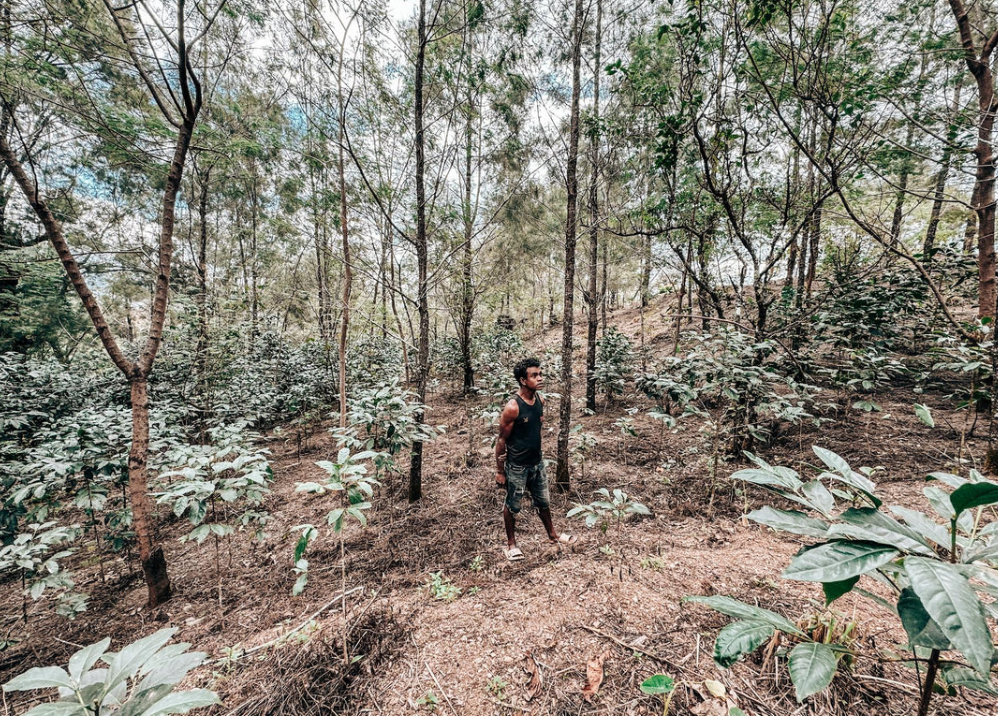
Eratoi lies at approximately 1,800 metres above sea level in the Letefoho region of Timor Leste.
It is one of the highest altitude communities working with coffee sourcing partner Karst.
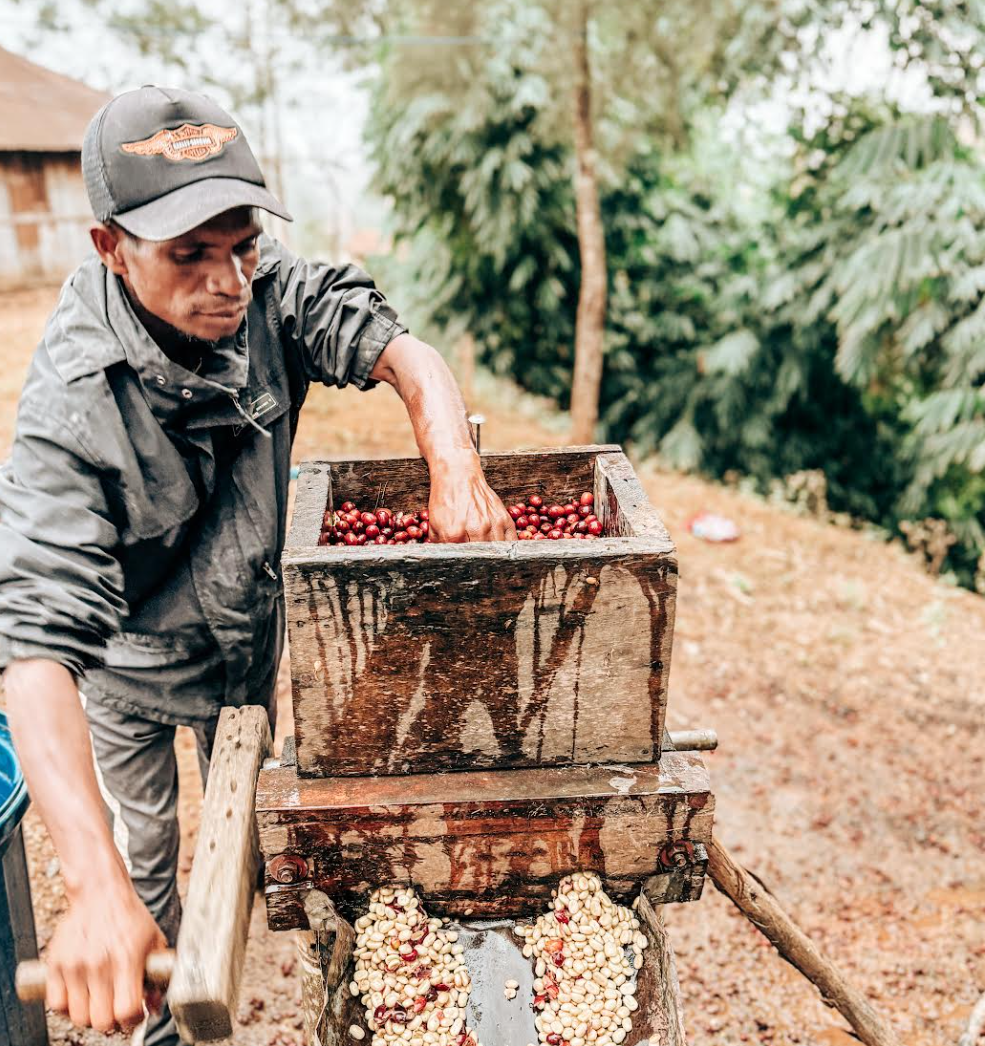
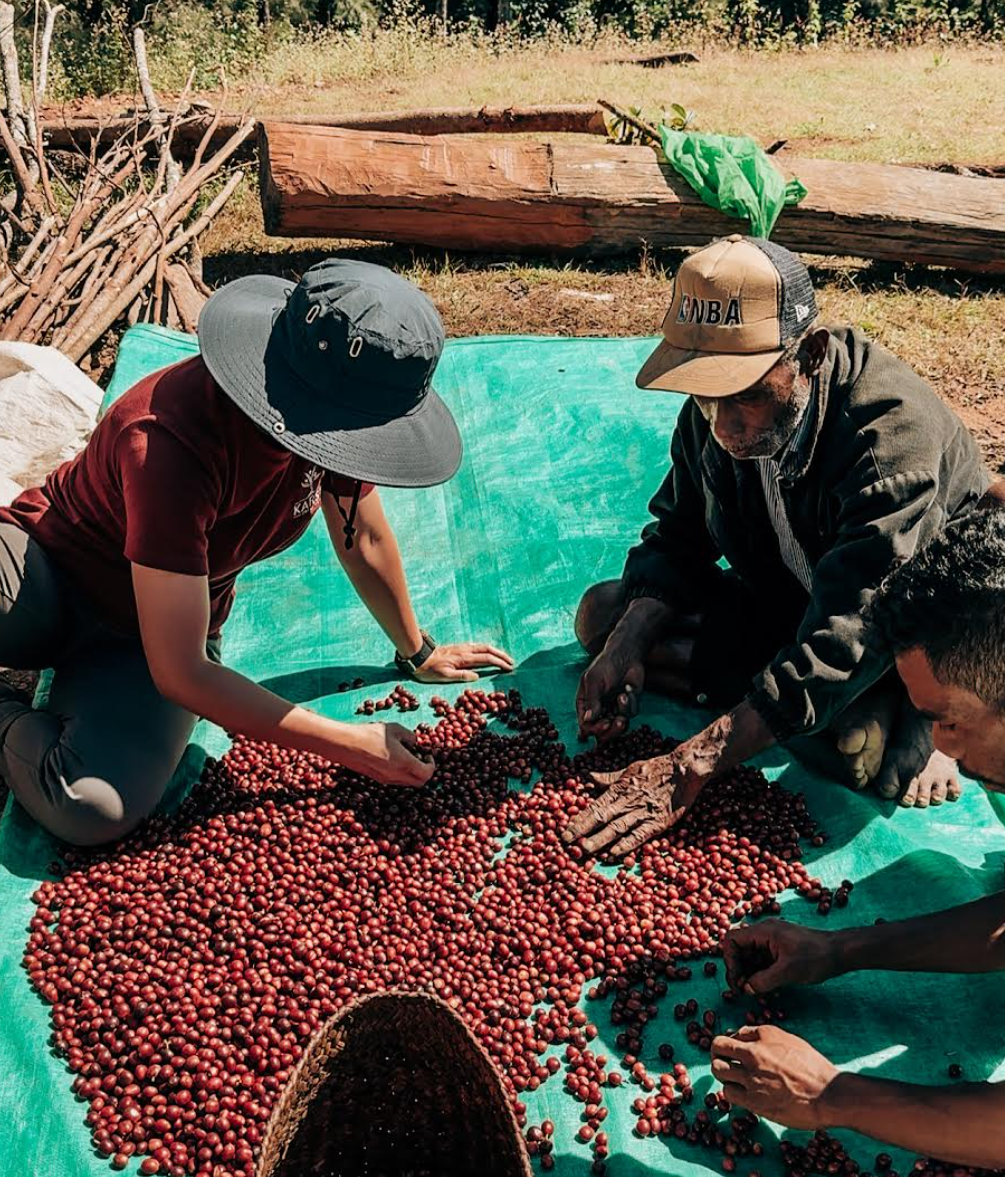
What makes the coffee particularly unusual is the way it is processed. Rather than cherries being delivered to one large central washing station, around 40 smallholder farming families process their coffee individually at home, using methods that have developed within their communities. Ripe cherries are selectively harvested before being floated to remove lower density fruit. They are then pulped and submerged in water for approximately 40 to 44 hours of fermentation. Once fermentation is complete, the coffee may be washed six to eight times before being placed on raised beds. Drying takes approximately 10 to 14 days, with the parchment repeatedly turned until the correct moisture level is reached. The coffee is then rested for around six weeks before travelling to Dili for dry milling, grading and final hand sorting.
Coffee has a complicated history in Timor Leste. It became a major export during Portuguese colonial rule but decades of conflict and neglect later damaged the industry and its infrastructure. Today, producers are rehabilitating old coffee forests and rebuilding the country’s reputation for high quality Arabica. Coffee here is often described as organic by practice. Farms commonly grow beneath native shade trees with little reliance on synthetic fertilisers or pesticides.
Karst began working with lead farmer Simao Pedro de Deus in 2019, and Eratoi has since become its largest producer group. The partnership now works directly with farming households and operates unusually close to the entire supply chain, spending significant time in Timor Leste and handling both export and import. That direct structure is intended to increase transparency and allow more of the value of the coffee to remain with the people producing it.